

Sexual Reproduction

Introduction
Sexual reproduction is a biological process by which new organisms are produced through the combination of genetic material from two parents. This type of reproduction is common in animals, plants, and many other living organisms. It plays an important role in increasing genetic diversity, which helps species adapt and survive in changing environments.
What Is Sexual Reproduction?
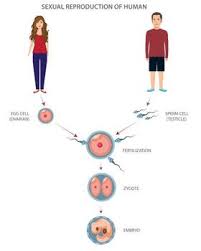
Sexual reproduction involves two special reproductive cells called gametes. Typically, one gamete comes from a male parent and the other from a female parent. When these gametes join in a process called fertilization, they form a new cell known as a zygote, which develops into a new organism.
Sexual Reproduction in Animals
In animals, sexual reproduction usually involves:
- Male gametes (sperm)
- Female gametes (eggs or ova)
After fertilization, the zygote undergoes cell division and development, eventually forming a new individual. Different animals reproduce in different ways—some lay eggs, while others give birth to live young.
Sexual Reproduction in Plants
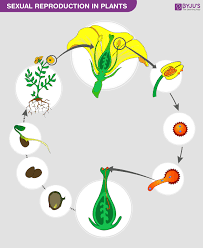
Plants also reproduce sexually. In flowering plants:
- The stamen produces pollen (male gametes)
- The pistil contains ovules (female gametes)
Pollination occurs when pollen is transferred to the pistil, leading to fertilization. This results in the formation of seeds, which can grow into new plants.
Importance of Sexual Reproduction
Sexual reproduction is important because it:
- Creates genetic variation among offspring
- Increases a species’ ability to adapt to environmental changes
- Helps reduce the chance of inherited diseases becoming widespread
This variation is a key factor in evolution and natural selection.
Advantages and Disadvantages
Advantages:
- Greater genetic diversity
- Improved survival and adaptability
Disadvantages:
- Requires two parents
- Takes more time and energy compared to asexual reproduction